
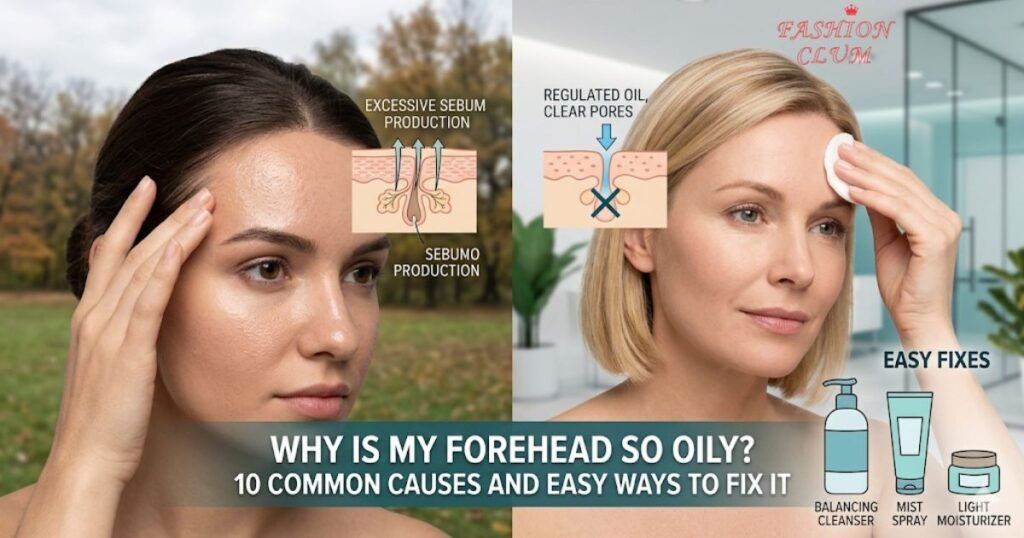
Why is my forehead so oily? If you ask yourself this question every time you look in the mirror, you are not alone. Many people deal with an oily forehead that becomes shiny only a few hours after washing their face. This extra oil can make your skin feel sticky, clog your pores, and sometimes lead to pimples or oily forehead bumps.
Why is my forehead so oily even when I try to take care of my skin? In most cases, the answer is linked to natural oil production, hormones, daily habits, weather changes, or the skincare products you use. The good news is that once you understand the cause, it becomes much easier to control excess oil and keep your skin looking fresh.
Why Is My Forehead So Oily? A Quick Answer
Why is my forehead so oily? Your forehead contains many sebaceous glands. These glands make sebum, which is the natural oil that keeps your skin soft and protected. When these glands produce too much sebum, your forehead can become shiny and greasy.
Several factors can increase oil production. Genetics, hormones, stress, hot weather, and poor skincare habits are some of the most common reasons. In some cases, an oily forehead may also come with clogged pores, oily bumps on forehead, or frequent breakouts.
Although an oily forehead can be frustrating, it is usually manageable. The key is to understand what is causing the excess oil and then follow a simple skincare routine that supports healthy skin.
Why Is My Forehead So Oily? Understanding Excess Sebum Production
Many people wonder why is my forehead so oily while other parts of their face seem normal. The answer often starts with sebum production. Sebum is a natural oil made by your skin to prevent dryness and protect against outside damage.
When the skin produces the right amount of sebum, everything stays balanced. However, when oil production becomes too active, the forehead oily area can become noticeably shinier than the rest of the face.
This is especially common because the forehead is part of the T-zone, an area known for having more active oil glands. As a result, the oily forehead often becomes the first place where excess shine appears.
Overactive Sebaceous Glands
Sebaceous glands are responsible for producing oil. Some people naturally have more active glands than others. This means their skin produces more oil throughout the day.
When these glands become overactive, the answer to why is my forehead so oily becomes clear. Your skin is simply making more oil than it needs.
When these glands become overactive, many people start asking why is my forehead so oily every day. The simple answer is that your skin is producing more sebum than it needs.
This excess oil can sit on the surface of the skin and create a shiny appearance. Over time, it may also trap dirt and dead skin cells.
As a result, many people notice both a greasy forehead and clogged pores at the same time.
Natural Skin Type and Genetics
Your skin type is largely determined by genetics. If your parents have oily skin, there is a good chance that you may have it too.
If oily skin runs in your family, you may continue asking why is my forehead so oily even when you follow a proper skincare routine.
This is one reason why some people ask why does my forehead get so oily even though they follow a good skincare routine. Genetics can make your skin naturally produce more sebum.
People with oily skin often notice shine within a few hours of cleansing. Their pores may also appear larger because they contain more oil.
While genetics cannot be changed, proper skincare can help manage oil production and improve skin appearance.
Enlarged Pores and Oil Build-Up
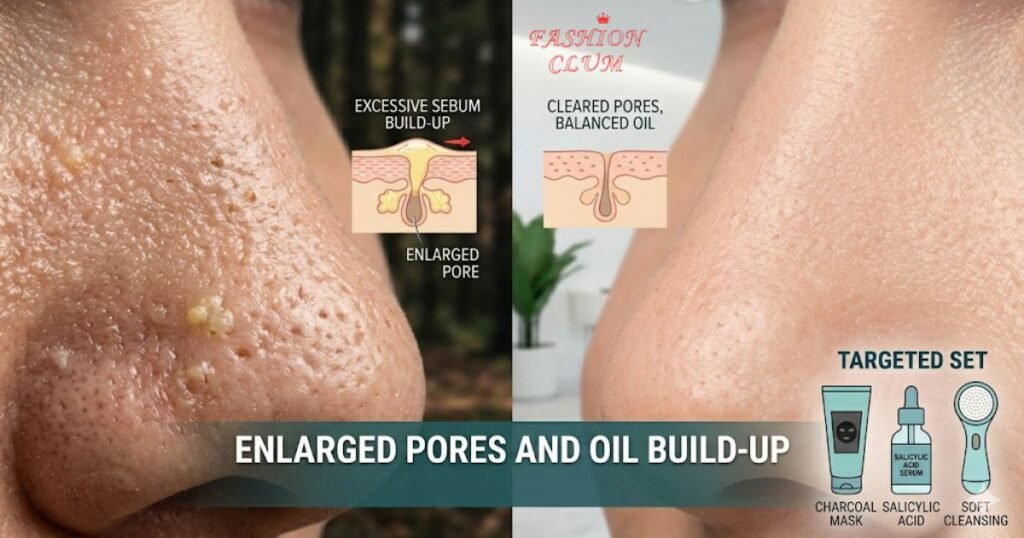
Large pores are common in people with oily skin. When the skin produces more oil, the pores can appear more noticeable.
Oil, dirt, and dead skin cells can collect inside these pores. This can make the forehead oily and increase the risk of blackheads and bumps.
Many people with a bumpy oily forehead also have enlarged pores that trap excess sebum.
Keeping pores clean can help reduce shine and improve overall skin texture.
Why Is My Forehead So Oily All of a Sudden?
Sometimes people notice a sudden increase in oil production and wonder why is my forehead so oily all of a sudden. If your skin was balanced before but has recently become shinier, there may be a specific trigger.
Sudden oiliness often happens because of changes inside the body or changes in the environment. These factors can affect how much sebum your skin produces each day.
Understanding these triggers can help you identify the reason behind your sudden oily forehead and take the right steps to manage it.
Hormonal Changes
Hormones play a major role in oil production. Changes during puberty, pregnancy, or certain life stages can increase sebum production.
This is one of the most common answers to why is my forehead so oily all of a sudden. Hormonal shifts can make the sebaceous glands more active.
Hormonal fluctuations are one of the biggest reasons why is my forehead so oily all of a sudden. Many teenagers and adults notice increased oil production during hormonal changes.
When this happens, the skin may become shinier than usual. Some people also experience oily forehead bumps or acne during these periods.
Although hormonal changes are natural, a consistent skincare routine can help control the extra oil.
Stress and Lack of Sleep
Stress affects more than your mood. It can also affect your skin. When stress levels rise, the body releases hormones that may increase oil production.
Poor sleep can create similar effects. The skin may appear oilier and less balanced when you do not get enough rest.
Many people notice a greasy forehead during stressful weeks or after several nights of poor sleep.
Managing stress and getting quality sleep may help support healthier skin.
Weather and Seasonal Changes
The weather has a direct effect on the skin. During hot and humid months, the skin often produces more oil.
This is why some people ask why does my forehead get so oily in summer. Heat can make sebaceous glands work harder.
Humidity can also make oil stay on the skin longer, creating a shiny appearance.
As seasons change, your skincare routine may need small adjustments to match the weather.
Why Does My Forehead Get So Oily During the Day?
Have you ever washed your face in the morning only to see shine return a few hours later? This is a common experience for people with oily skin.
Why does my forehead get so oily during the day? The answer usually involves a combination of natural oil production and environmental factors.
As the day goes on, oil continues to move from the pores onto the skin’s surface. This process can make the forehead look shinier as time passes.
Why is my forehead so oily by the afternoon, even after cleansing in the morning? This usually happens because oil production continues throughout the day.
Heat, Sweat, and Daily Activity
Daily activities increase body temperature and sweating. When sweat mixes with sebum, the skin can feel greasy.
People who spend time outdoors often notice that their oily forehead become more noticeable during the day.
Exercise can create the same effect. Sweat and oil together may make the forehead feel sticky.
This does not mean exercise is bad for your skin. It simply means cleansing afterward is important.
Touching Your Face Too Often
Many people touch their faces without realizing it. This habit can transfer dirt, oil, and bacteria onto the skin.
Frequent touching may contribute to clogged pores and increased shine.
It can also make oily forehead bumps more likely to appear.
Keeping your hands away from your face is a simple habit that may improve skin health.
Hair Products and Hair Oils
Hair products can sometimes be the hidden cause of an oily forehead.
Styling creams, oils, and sprays may transfer from the hair onto the skin.
When this happens, the forehead oily area can become shinier and more prone to clogged pores.
Keeping hair clean and away from the forehead may help reduce excess oil.
Why Is My Forehead Greasy Even After Washing My Face?
Many people believe that washing the face more often will solve oiliness. However, this is not always true.
In fact, overwashing can sometimes make an oily forehead worse. When too much natural oil is removed, the skin may try to replace it by producing even more sebum.
This cycle can leave you wondering why is my forehead greasy shortly after cleansing.
Many people ask why is my forehead so oily after washing my face. Overwashing and harsh cleansers can sometimes increase oil production instead of reducing it.
Using Harsh Cleansers
Strong cleansers can strip away the skin’s protective oils.
When this happens, the skin may respond by creating more oil to restore balance.
This can leave the forehead oily only a few hours after washing.
Choosing a gentle cleanser is often a better option for long-term oil control.
Skipping Moisturizer
Many people with oily skin avoid moisturizer because they think it will make their skin greasier.
In reality, dehydrated skin may produce more oil to make up for the lack of moisture.
Using a lightweight moisturizer can help support healthy skin balance.
This simple step often helps reduce excess shine over time.
Why Is My Forehead Greasy and Full of Bumps?
If you have ever looked in the mirror and noticed tiny bumps across your forehead, excess oil may be one of the reasons. When sebum mixes with dead skin cells, pores can become blocked.
Many people who ask why is my forehead greasy also notice uneven skin texture. This often happens because oil stays trapped inside the pores.
A greasy forehead may not always lead to acne, but it can create the perfect environment for clogged pores and small bumps.
Understanding the connection between oil and bumps can help you take better care of your skin.
Oily Bumps on Forehead
Oily bumps on forehead areas often develop when pores become blocked by excess oil and dead skin cells. These bumps are usually small, flesh-colored, and may be easier to feel than to see. People with oily skin are more likely to experience them because their sebaceous glands produce more oil throughout the day. Regular cleansing and a consistent skincare routine can help keep pores clearer and reduce the appearance of these bumps.
Oily Forehead Bumps and Acne
Not all forehead bumps stay small and harmless. When clogged pores become inflamed or bacteria get trapped inside them, they can develop into pimples and acne breakouts. This is why people with an oily forehead often experience recurring acne in the same area. Managing excess oil, avoiding pore-clogging products, and maintaining good skincare habits may help reduce both forehead bumps and acne over time.
How to Stop My Forehead From Being So Oily
Many people search for how to stop their foreheads from being so oily because they want a simple and practical solution.
The good news is that small daily habits can make a big difference.
You do not need a complicated routine to manage an oily forehead. Consistency is often more important than using many products.
The goal is not to remove all oil but to keep oil production balanced.
Build a Simple Skincare Routine
A simple routine is often the most effective.
Cleanse your face in the morning and before bed. This helps remove excess oil, dirt, and sweat.
Follow cleansing with a lightweight moisturizer that supports healthy skin hydration.
A simple routine can help answer the question why is my forehead so oily by addressing some of the most common causes.
Do Not Skip Moisturizer
Moisturizer is important for every skin type, including oily skin.
When the skin becomes dehydrated, it may produce more oil to compensate.
This can make an oily forehead appear even shinier.
Using a lightweight moisturizer regularly may help maintain balance.
Use Sunscreen Every Day
Daily sun protection is an important part of healthy skincare.
Sun exposure can affect the skin barrier and sometimes increase oil-related issues.
Choose a sunscreen that feels comfortable on oily skin.
Consistent sun protection supports long-term skin health.
How to Get Rid of Oily Forehead Naturally
Many people prefer natural methods when learning how to get rid of oily forehead problems.
Natural habits may not remove oil completely, but they can support healthier and more balanced skin.
The best results usually come from combining good skincare with healthy lifestyle choices.
Simple daily actions often produce noticeable improvements over time.
Stay Hydrated Throughout the Day
Water supports many important functions in the body.
While drinking water does not directly stop oil production, it helps support overall skin health.
Proper hydration may help the skin maintain a healthier balance.
Making water a daily habit is a simple step toward better skin care.
Try Clay Masks Occasionally
Clay masks are commonly used to absorb excess surface oil.
Many people use them once or twice each week as part of their routine.
These masks may help reduce shine temporarily.
However, using them too often may lead to dryness and irritation.
Manage Stress Levels
Stress can affect hormone levels and influence oil production.
Many people notice changes in their skin during stressful periods.
Activities such as walking, reading, exercise, or relaxation can help manage stress.
Lower stress levels may contribute to healthier-looking skin.
How to Reduce Oily Forehead Problems for the Long Term
Learning how to reduce oily forehead issues requires patience and consistency.
There is rarely a quick fix for excess oil production.
Instead, long-term success comes from healthy habits and proper skincare practices.
Small improvements each day often lead to noticeable results over time.
Follow a Consistent Routine
Changing products every week can make it difficult to understand what works.
A consistent routine gives your skin time to adjust.
Regular cleansing, moisturizing, and sun protection create a strong foundation.
Consistency is one of the most effective ways to manage an oily forehead.
Avoid Overwashing Your Face
Many people think frequent washing will remove excess oil.
Unfortunately, overwashing may cause the skin to produce even more sebum.
Most people only need to cleanse twice daily.
Gentle care usually produces better results than aggressive cleansing.
Eat a Balanced Diet
A healthy diet supports overall wellness and skin health.
Foods rich in nutrients help the body function properly.
While diet alone may not solve an oily forehead, healthy eating habits can support better skin balance.
A balanced lifestyle often benefits the skin in many ways.
When Should You See a Skin Specialist?
Most cases of an oily forehead can be managed with good skincare habits.
However, there are times when professional advice may be helpful.
If your oily forehead is causing severe acne, painful breakouts, or persistent oily forehead bumps, it may be worth seeking expert guidance.
A skin specialist can identify underlying causes and recommend treatment options that match your needs.
You should also consider professional help if you notice sudden changes and keep asking why your forehead is so oily all of a sudden without a clear explanation.
Early advice can help prevent minor concerns from becoming larger problems.
Quick Tips to Prevent an Oily Forehead
- Wash your face twice daily.
- Use a gentle cleanser.
- Apply a lightweight moisturizer.
- Wear sunscreen every day.
- Avoid touching your face frequently.
- Keep hair products away from your forehead.
- Stay hydrated.
- Manage stress levels.
- Get enough sleep.
- Follow a consistent skincare routine.
Conclusion
If you often ask why is my forehead so oily, the answer is usually connected to genetics, hormones, weather, daily habits, or overactive oil glands. An oily forehead is very common, and in most cases, it can be managed with simple lifestyle changes and a proper skincare routine.
The key is to stay consistent and avoid harsh treatments that may make oil production worse. By understanding why does my forehead get so oily and taking the right steps, you can reduce shine, prevent oily forehead bumps, and enjoy healthier-looking skin over time.
FAQs
Q: Why is my forehead so oily every day?
A: Daily oiliness is often caused by genetics, hormones, or naturally active oil glands.
Q: Why does my forehead get so oily in hot weather?
A: Heat and humidity can increase sebum production and make skin look shinier.
Q: Why is my forehead greasy after washing my face?
A: Harsh cleansing or overwashing may cause the skin to produce more oil.
Q: Can oily forehead bumps be caused by excess oil?
A: Yes, excess oil can clog pores and lead to small bumps on the forehead.
Q: Why is my forehead so oily even after using skincare products?
A: If you still ask why is my forehead so oily after using skincare products, the reason may be genetics, hormones, or products that do not match your skin type.
Q: How to stop my forehead from being so oily naturally?
A: Follow a gentle skincare routine, stay hydrated, and manage stress levels.
Q: Why is my forehead so oily all of a sudden?
A: Hormonal changes, stress, weather shifts, or new skincare products may be responsible.
Q: Why is my forehead so oily even after using skincare products?
A: If you still ask why is my forehead so oily after using skincare products, the reason may be genetics, hormones, or products that do not match your skin type.