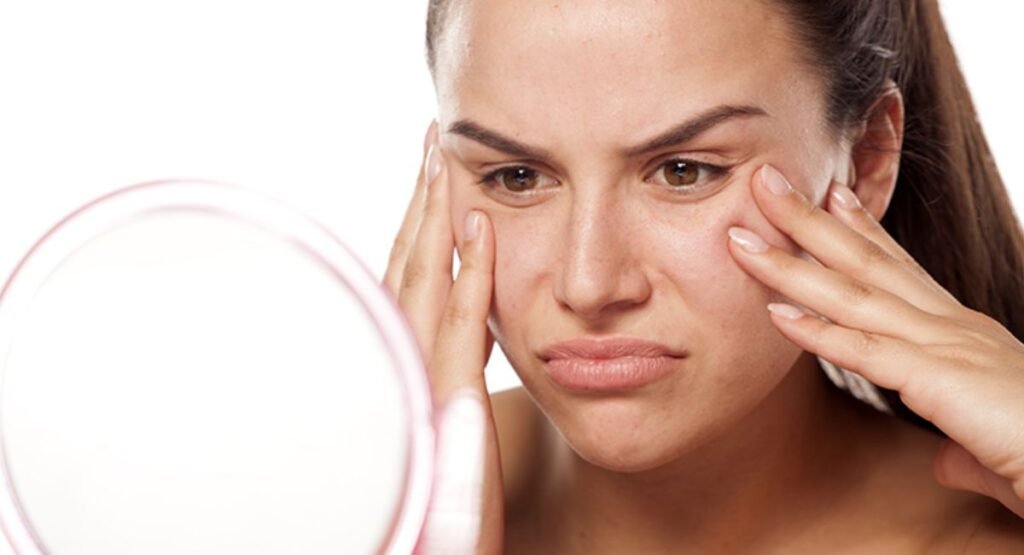
Dry skin around eye area is one of the most common skin problems people face every day. The skin around your eyes is very thin and sensitive. It gets dry, itchy, and flaky very easily. If you have ever woken up with tight, rough, or peeling skin near your eyes, you are not alone. This article will help you understand why it happens and what you can do about it.
Dealing with dry skin around eye area can feel really annoying. It can make you look tired and feel uncomfortable. But the good news is — once you know the causes, you can treat it the right way. We have put together everything you need to know in simple, easy words so you can take care of your skin without any confusion.
Why Is Dry Skin Around Eye Area So Common?
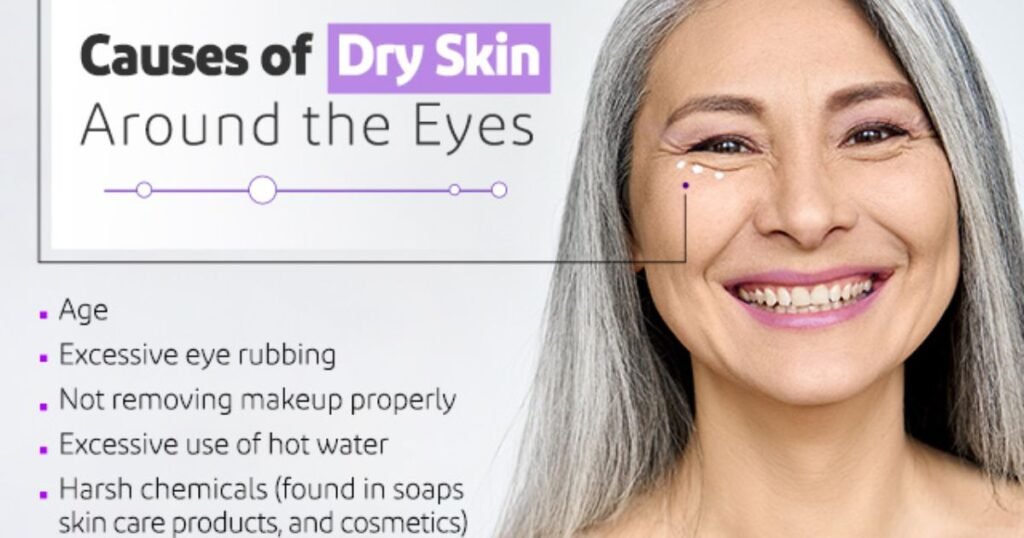
The skin around your eyes is the thinnest skin on your whole face. It has very few oil glands compared to other parts of your skin. That means it does not stay moisturized on its own very easily. Because of this, dry skin around eye area happens more often than you might think.
Many people ignore this problem or think it will go away on its own. But without the right care, it can get worse over time. Things like cold weather, indoor heating, and even your daily face wash can dry out the skin around your eyes. Understanding why this happens is the first step to fixing it.
The skin near your eyes also touches a lot of things — your fingers, makeup brushes, pillowcases, and even the air around you. All of these things can remove the natural moisture from the skin. That is why the eye area is one of the first places that shows signs of dryness and irritation.
Knowing the right way to take care of this area can make a big difference. Once you understand what is causing the problem, treating dry skin around eye area becomes much easier and faster.
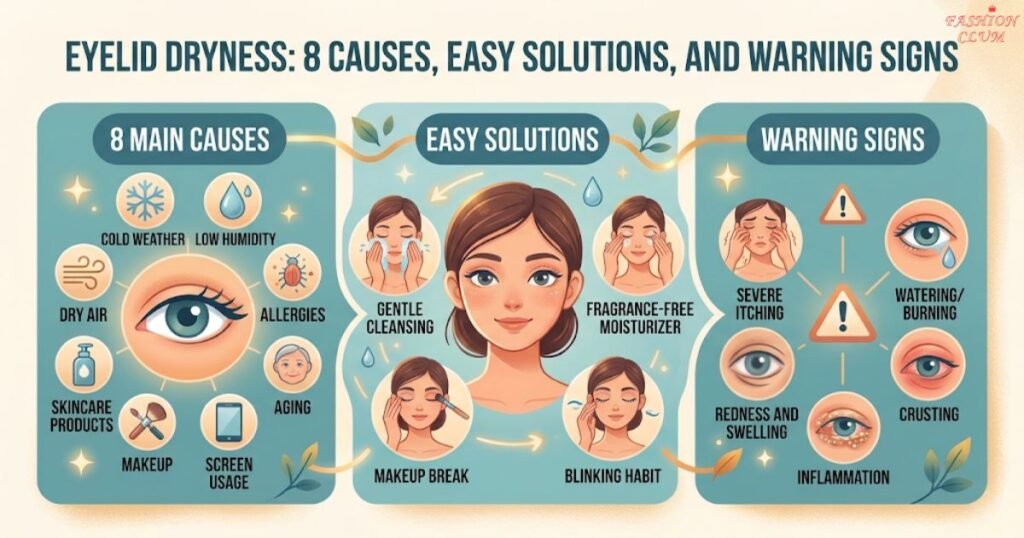
8 Main Causes of Dry Skin Around Eye Area
There are many different reasons why you might get dry skin around eye area. Some causes are linked to skin conditions, and others are related to your daily habits or environment. Let us look at each one carefully.
1. Eczema (Atopic Dermatitis)
Eczema is one of the most common reasons for dry skin around eyes. It causes the skin to become red, itchy, and dry. People with eczema often notice dry skin on eyelids and around the eye area. The skin can crack and feel very uncomfortable.
Eczema can be triggered by stress, certain foods, or skin products. It usually comes and goes, and the eye area is a very common spot for it. If you notice eyelid dryness and itching that keeps coming back, eczema could be the reason.
2. Contact Dermatitis
Contact dermatitis happens when your skin reacts to something it has touched. This could be makeup, eye cream, soap, or even metal from glasses frames. The skin around your eyes becomes red, swollen, and very dry after contact with the irritant.
There are two types — allergic and irritant. Both can cause dry skin on eyelids and under the eyes. Removing the irritant is usually the first and most important step in treating it.
3. Seborrheic Dermatitis
Seborrheic dermatitis is a skin condition that causes flaky, scaly patches. It usually affects oily areas like the scalp, nose, and eyebrows — but it can also affect the eyelids. It may cause dry, flaky skin around the eyes and can sometimes be confused with eczema.
This condition is linked to a type of yeast that lives on the skin. It is not contagious, but it can keep coming back. Gentle medicated cleansers can help manage the flakiness and dryness.
4. Blepharitis
Blepharitis is inflammation of the eyelids. It causes the edges of the eyelids to become red, crusty, and itchy. People with blepharitis often notice dry skin on eyelid edges that flakes off like tiny scales.
This condition is usually caused by bacteria or blocked oil glands at the base of the eyelashes. It can make your eyes feel sore and gritty. Warm compresses and gentle eyelid cleaning can help a lot.
5. Dry Air and Weather Changes
Cold winters and hot, dry summers can both pull moisture out of your skin. Indoor heating and air conditioning also dry out the air around you. This makes dry under eyes and around eyes dry problems very common during certain seasons.
When the air has very little moisture, your skin loses water faster than it can replace it. Using a humidifier at home can help add moisture back into the air and protect the skin around your eyes.
6. Harsh Skincare or Makeup Products
Some face washes, toners, and makeup products contain alcohol, fragrance, or harsh chemicals. When these products get close to your eyes, they can strip away the natural oils and cause dry skin around eye area. Even some eye makeup removers can be too harsh.
Always check the ingredients in your skincare products. If a product makes your skin feel tight or tingly near the eyes, stop using it. Switch to gentle, fragrance-free products made for sensitive skin.
7. Aging and Loss of Natural Oils
As we get older, our skin naturally produces less oil. This means the skin loses moisture more easily. Dry skin under eyes is a very common sign of aging. The under-eye area becomes thinner, drier, and more delicate with age.
Starting a good moisturizing routine early can help slow this process. Using eye creams with hydrating ingredients can protect the skin and reduce the appearance of fine lines caused by dryness.
8. Over-Washing or Rubbing Your Eyes
Washing your face too many times a day or rubbing your eyes too hard can damage the skin. It removes the natural oils that protect the eye area. This can lead to dry spot on eyelid and general dryness around the eyes.
Try to wash your face only twice a day using a gentle cleanser. When drying your face, pat softly with a towel — do not rub. Also try not to rub your eyes with your fingers, especially when they feel itchy.
What Does Dry Skin Around Eye Area Look and Feel Like?
Dry skin around eye area can show up in different ways for different people. Some people notice tight, rough skin under the eyes. Others see flaky patches or small dry spots on the eyelid. The skin may look dull or feel uncomfortable during the day.
Common signs include redness, peeling, itching, and a feeling of tightness. Sometimes the skin can crack, which can be painful and even lead to small cuts. Eyelid dryness and itching together is a very clear sign that the skin barrier needs extra care.
Some people notice the dryness more in the morning after sleeping. This can happen because of the type of pillowcase they use or because they sleep in a room with dry air. Silk or satin pillowcases are gentler on the skin and can reduce friction.
If the dryness is very severe or keeps coming back even after home treatment, it may be a sign of an underlying skin condition like eczema or seborrheic dermatitis. In that case, seeing a doctor is the right move.
How to Treat Dry Skin Around Eye Area at Home
The good news is that you can treat dry skin around eye area with simple steps at home. You do not always need to visit a doctor for mild dryness. A gentle skincare routine and the right products can make a big difference.
Use a Gentle, Fragrance-Free Cleanser
Start by washing your face with a mild, fragrance-free cleanser. Avoid anything with alcohol or strong chemicals. A gentle cleanser will clean your skin without removing its natural oils. This is the first and most important step to help the eye area heal.
Moisturize the Eye Area Every Day
After washing, apply a gentle moisturizer around the eyes while the skin is still a little damp. This helps lock in moisture. Look for ingredients like hyaluronic acid, ceramides, glycerin, or aloe vera. These are safe and very effective for dry skin on eyelids and under the eyes.
Avoid Irritants and Allergens
Think about what products you use near your eyes. Stop using anything that causes redness or itching. Common irritants include fragranced creams, alcohol-based toners, and waterproof makeup. Switching to hypoallergenic products can help a lot with around eyes dry problems.
Protect Your Skin Barrier
Your skin has a natural protective layer called the skin barrier. When it gets damaged, moisture escapes and irritants get in. Using a thick, gentle moisturizer or a simple petroleum jelly can help repair the skin barrier. Apply it at night before bed for best results.
Best Ingredients to Look for in Eye Moisturizers
Not all moisturizers are the same. Some ingredients are much better than others for treating dry skin around eye area. Knowing what to look for on the label will help you pick the right product.
Hyaluronic acid is a top ingredient for dry under eyes. It holds water in the skin and keeps it plump and hydrated. Ceramides are also great because they help rebuild the skin barrier. Glycerin is another gentle ingredient that draws moisture into the skin.
Niacinamide is a helpful ingredient that calms redness and supports the skin barrier. It is safe for sensitive skin around the eyes. Aloe vera is also a natural and soothing option that reduces irritation and adds moisture.
Avoid products with retinol near the eyes unless a doctor has recommended it. Retinoids can be too strong for the thin skin in this area and may cause more dryness and irritation if not used carefully.
How to Prevent Dry Skin Around Eye Area
Prevention is always better than treatment. There are simple habits you can build to stop dry skin around eye area from coming back. Small changes in your daily routine can protect your skin a lot.
Drink enough water every day. Staying hydrated from the inside keeps your skin healthy from the outside too. Aim for at least 8 glasses of water a day. This helps reduce dry skin under eyes and all over the body.
Always wear sunscreen around the eyes when going outside. Sun damage dries out the skin and breaks down its natural protective oils. Use a gentle SPF made for sensitive skin around the eye area. Wearing sunglasses also protects the delicate skin from UV rays and wind.
Sleep well and manage your stress. Both poor sleep and high stress can trigger skin conditions like eczema that cause dry skin on eyelids. A good night’s sleep gives your skin time to repair itself naturally.
When Should You See a Doctor for Dry Skin Around Eyes?
Most cases of dry skin around eye area can be treated at home. But sometimes the dryness is a sign of something more serious. You should see a doctor if the dryness does not improve after two weeks of home care.
See a doctor also if you notice severe swelling, bleeding, or pain around the eyes. If eyelid dryness and itching is getting worse every day, it is time to get professional help. A doctor or dermatologist can check for eczema, blepharitis, or contact dermatitis and give you the right treatment.
Simple Daily Skincare Routine for Dry Skin Around Eye Area
Having a simple and consistent skincare routine is the best way to keep the eye area healthy. You do not need many products — just the right ones used in the right order every day.
In the morning, wash your face with a gentle cleanser, apply a light moisturizer with SPF around the eyes, and drink a glass of water to start your day hydrated. At night, remove all makeup gently, wash your face again, and apply a thicker moisturizer or eye cream before bed.
Stick to this routine every day and you will start to notice improvements within a few weeks. Consistency is the key to keeping dry skin around eye area under control for the long term.
Conclusion
Taking care of dry skin around eye area does not have to be hard or expensive. The key is to understand what is causing the dryness and then take simple, gentle steps to fix it. Whether it is eczema, harsh products, dry weather, or just aging, there is always something you can do to feel better and look better.
Be kind to the skin around your eyes. Use gentle products, stay hydrated, protect your skin from the sun, and moisturize every single day. With a little patience and the right routine, you can say goodbye to dry, flaky, itchy skin around the eyes for good.
FAQs
Q: What causes dry skin around eye area?
A: It can be caused by eczema, contact dermatitis, blepharitis, dry weather, aging, or harsh skincare products. Identifying the cause helps you treat it correctly.
Q: Is dry skin on eyelids serious?
A: Mild dryness is usually not serious and can be treated at home. But if it keeps coming back or gets worse, see a doctor to rule out a skin condition.
Q: How do I get rid of dry skin under eyes fast?
A: Apply a gentle, fragrance-free moisturizer with hyaluronic acid or ceramides twice a day. Avoid rubbing the area and drink plenty of water.
Q: Can eye cream cause dry spot on eyelid?
A: Yes. Some eye creams contain fragrances or harsh ingredients that can irritate the skin. Always check the label and choose products made for sensitive skin.
Q: Why do I have dry skin around eye area in winter?
A: Cold air and indoor heating reduce moisture in the air, which dries out the skin. Use a humidifier at home and moisturize more often during winter months.
Q: What is the best home remedy for dry skin around eyes?
A: A small amount of pure aloe vera gel or a gentle petroleum jelly applied at night can help soothe and hydrate dry skin on eyelids and under the eyes.
Q: When should I see a doctor about eyelid dryness and itching?
A: See a doctor if the itching and dryness do not improve after two weeks, if there is swelling or pain, or if you think you may have eczema or blepharitis.